
You did it. Whether you followed keto on your own or finished Ideal Protein Phase 1 with a coach, you reached your weight loss goal by keeping carbs very low. Now you want bread back on the table, a bowl of berries, maybe rice with dinner. And you’re a little nervous, because you’ve heard the stories. Or lived them.
That nervousness makes sense. The way you bring carbs back matters more than most people expect. Go too fast and you can feel bloated, tired and hungry, and watch the scale climb. Go slowly, with a plan, and most people find their body settles into a new normal where carbs and steady weight can live together.
In our program this stage is called Phase 2, or Stabilization. It starts when you reach your goal weight, and it’s the part of the process we care about most. Here’s what we’ve learned from 15 years of walking clients through it.
What Happens When You Eat Carbs After Keto
While you were eating very low carb, your body made a few changes. Insulin stayed low. You ran mostly on fat and ketones. The glycogen stores in your muscles and liver, your body’s quick-access carb supply, ran down.
There’s good news in that, too. Phase 1 is designed to protect your muscle while you lose fat, and that combination puts you in a stronger place than many diets leave people. Many people find their body handles insulin better than it did before. And because excess body fat can drive inflammation, losing it while keeping your muscle often means less inflammation in the body as well. You’re not starting Phase 2 from scratch. You’re starting from a better place.
When carbs come back, your body starts refilling those stores, and glycogen is stored with water. That’s why many people see the scale go up a pound or two in the first days, even when they’ve eaten sensibly. It’s water, not fat, and it usually levels off. Knowing this ahead of time takes a lot of the panic out of it.
The other change is that your body may be a little out of practice with carbs. Your gut bacteria shifted while you ate low carb, and your system needs time to adjust to handling glucose again. This is usually temporary. It’s a reason to go slowly, not a sign that carbs are off the table for good.
Bloating and Other Signs You’re Going Too Fast
Your body tells you when the pace is too quick. The most common signs we see:
- Bloating or gas, especially after a starchy meal
- Changes in your bowel movements, either way
- Feeling tired or foggy an hour or two after eating
- Cravings that feel louder than usual
- Headaches or a heavy, sluggish feeling
- The scale climbing several days in a row, not just a one-day bump
If you notice these, don’t panic and don’t give up. Hold your carbs where they are for a few days, or step back a little, and let your body catch up. This is exactly the kind of moment a coach helps you read.
Is It Carb Intolerance, or Just Adjustment?
Many people worry that keto has made them carb intolerant. For most, what they’re feeling is adjustment, not a lasting intolerance. The body becomes better at handling carbs again as you reintroduce them gradually.
It also matters which carbs you choose. Complex carbs like whole grains, legumes, beans and starchy vegetables are broken down slowly, so sugar enters your blood gradually. Simple carbs like white bread, sweets and juice are absorbed quickly, which brings a bigger rise in blood sugar and insulin. The glycemic index is a simple way to see the difference: the lower the number, the gentler the food is on your blood sugar. Starting with lower-glycemic, high-fibre carbs gives your body the easiest path back.
If symptoms don’t settle after a few weeks of slow, steady reintroduction, that’s worth talking through with your coach.
How to Reintroduce Carbs After Keto, Step by Step
1. Plan your week before you start. In Phase 2 we use a macro sheet to plan meals ahead, so carbs come back on purpose rather than by accident. A plan takes the guesswork out of each meal, and it gives you something to look back on when you’re figuring out what worked.
2. Start small: about 15 to 40 net grams of carbs a day. That’s roughly one or two small servings, such as a cup of berries and half of a cup of cooked brown rice. Your vegetables don’t count toward this number. Some days will be lower and some higher, and that’s what we want. Watch how you feel.
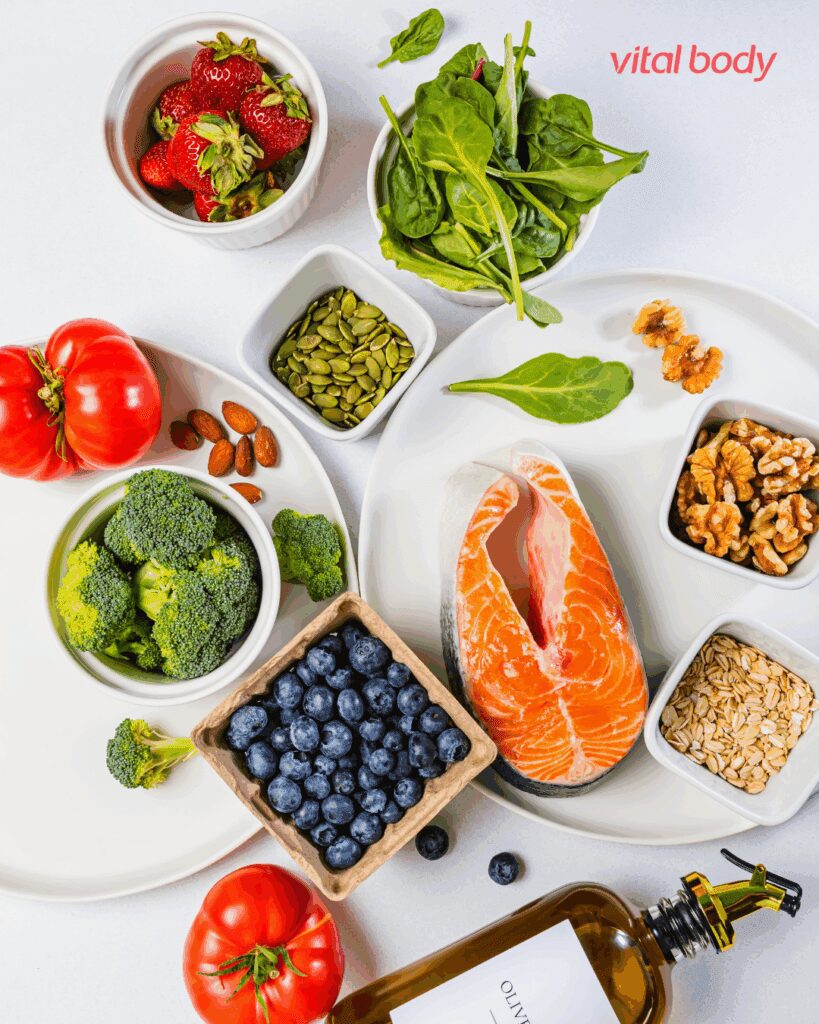
3. Choose low-glycemic carbs first. Good first choices are berries, peas, corn, beets and butternut squash. After about two weeks, if things feel good, add legumes like lentils and chickpeas. Whole grains such as quinoa, steel-cut oats and brown rice usually come after that.
4. Keep your vegetables and fibre high. Aim for about four cups of vegetables a day. Fibre slows down how quickly carbs are absorbed, keeps you full longer and supports regular digestion. It is one of the most helpful tools you have during this stage, and one of the best defences against bloating.
5. Pair carbs with protein and fat. Carbs eaten alone hit harder. Eat them with your protein and a little healthy fat, like olive oil, avocado or butter, and the rise in blood sugar is gentler.
6. Spread carbs through the day. A full breakfast and lunch with some carbs usually works better than saving them all for a big dinner. Heavy carb meals late at night are the ones most likely to leave you feeling puffy the next morning.
7. Keep a food journal, and treat it as a guide. Write down what you ate and how you felt. Over a few weeks, patterns appear. Maybe oats feel great and bread leaves you bloated. Those patterns become your personal macro code: the amount and type of carbs your body handles well.
Small Habits That Make a Big Difference
A few simple habits help your body handle carbs more smoothly:
- Eat your vegetables and protein first, and your carbs last
- Take a 10 to 15 minute walk after meals
- Keep moving through the week, with both cardio and strength training, since muscle helps you use carbs well
- Protect your sleep, because a short night makes cravings and blood sugar harder to manage
- Some people find a little apple cider vinegar in water before a meal helps; it’s optional
What if You’re Already Full?
Feeling full early in Phase 2 is common, and there’s a reason for it. During Phase 1 your body ran on stored body fat for energy around the clock. Now it’s shifting back to using food for energy. That change takes a little time, and your hunger signals may feel different while it happens.
You don’t need to force down every last gram on your sheet if you’re truly full. But eating enough still matters. Keep your meals regular, start with your protein and vegetables, and don’t skip meals because you’re not hungry. If you are hungry, you’ll know what to reach for, because your plan already shows you what a balanced meal looks like.
The first few weeks are a transition, not forever. Every body is unique, and part of Phase 2 is learning what yours needs. If your appetite stays low, or you find yourself regularly eating well under your plan, tell your coach so you can adjust together.
Want more support as you move into Phase 2? Our free guide, A Softer Approach to Weight Loss, walks you through the mindset side of keeping your results. Download the free guide.
How Long Does It Take?
There’s no single timeline, and that’s okay. Some people settle into a comfortable carb range within a couple of months. Others, especially those who have lost and regained weight before, do best with more time. Many of our most successful clients spend three to eight months in Phase 2, with weekly check-ins along the way.
That might sound long. But this is the stage that decides whether your weight loss holds. Taking your time here is what makes the results stick.
You Don’t Have to Figure This Out Alone
Reintroducing carbs after keto isn’t about willpower or getting it perfect. It’s about going slowly, paying attention and adjusting as you learn what your body needs. That’s what we do with clients every week in Phase 2: plan together, look at what’s working, and make small changes until eating feels steady and peaceful again.
If you’ve finished keto or Ideal Protein Phase 1 and want support bringing carbs back, book a free consult and we’ll talk through where you are.
Frequently Asked Questions
Why do I gain weight when I start eating carbs again after keto? Most of the early gain is water. Your body stores carbs as glycogen, and glycogen holds water, so a pound or two in the first days is normal. It usually levels off if you keep carbs moderate and increase them slowly.
Why am I bloated after eating carbs after keto? Your gut and digestion need time to adjust after a long stretch of very low carb eating. Bloating usually means the amount or type of carbs went up too fast. Hold steady for a few days, choose lower-glycemic, high-fibre carbs, and eat them with protein and vegetables.
How many carbs should I eat after keto? In our Phase 2, most people start at about 15 to 40 net grams of carbs a day, not counting vegetables, and increase slowly from there. The right amount is personal, which is why we use a food journal to find it.
Which carbs should I add back first? Start with low-glycemic choices like berries, peas, beets and butternut squash. Add legumes after a couple of weeks if things feel good, then whole grains like quinoa, oats and brown rice.
Can I develop carb intolerance from keto? Most people feel a temporary adjustment, not a lasting intolerance. Bringing carbs back gradually usually lets your body handle them well again. If symptoms don’t settle after a few weeks, talk to your coach or doctor.
What is Ideal Protein Phase 2? Phase 2, or Stabilization, begins when you reach your goal weight on Phase 1. It’s where carbs and healthy fats come back slowly, with coaching, so you can find the amount your body handles well and keep your weight loss results.




)