Knowing isn’t the hard part. Here’s how to turn what you already know into habits that feel like flow, not force.




Let’s Get Started
Get the results you’ve always wanted, and feel like yourself again.

Knowing isn’t the hard part. Here’s how to turn what you already know into habits that feel like flow, not force.
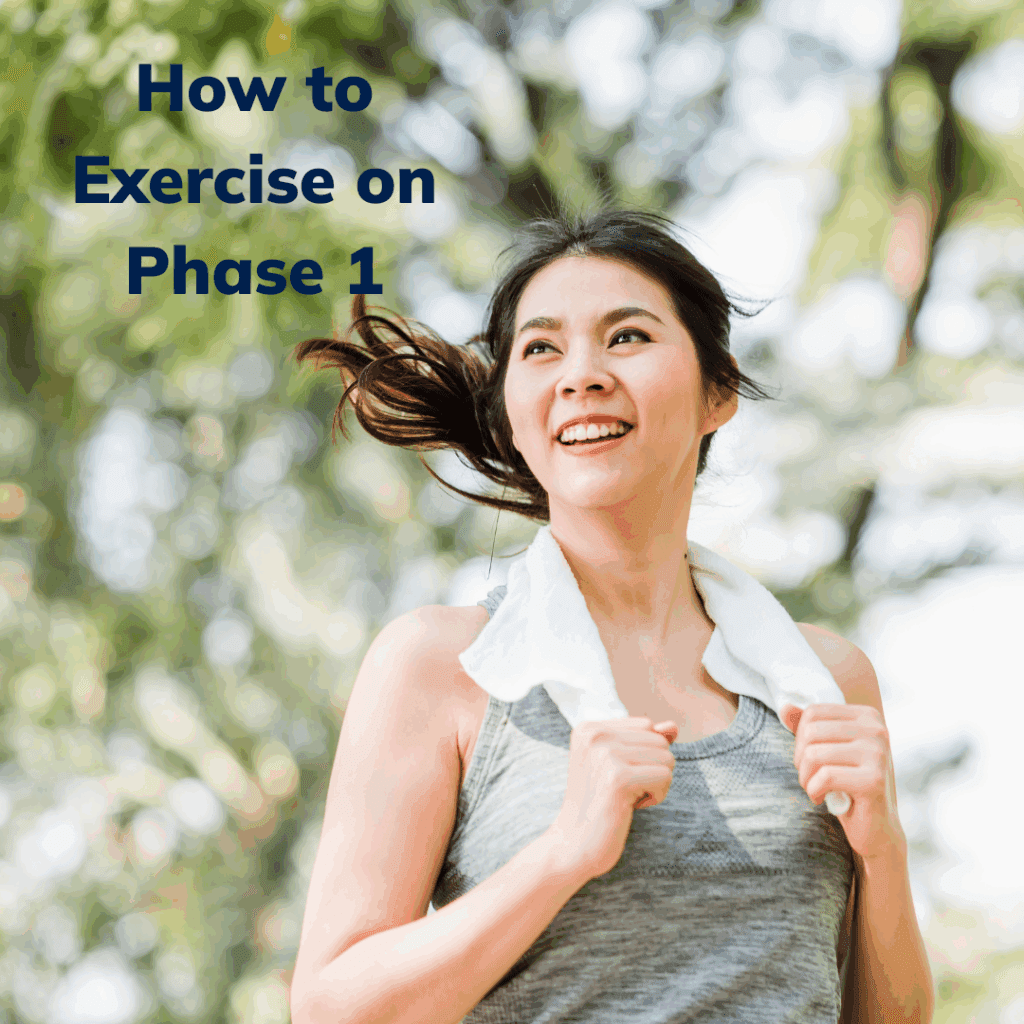
By Zan Romeder, founder and intake coach. And those are my walking shoes in the image 🙂
Most people we meet already know what to do. Eat more vegetables. Drink water. Go to bed earlier. Plan your meals. You’ve read the lists, and you could probably write one yourself.
Knowing isn’t the hard part. The hard part is a Tuesday night when you’re tired, everyone is hungry and nothing is thawed. And then doing it again the next week, and the week after that.
That’s what habits are for. A habit is something you no longer have to decide. It’s also where a coach helps most: not by telling you something new, but by helping you do what you already know, week after week, until it feels like yours.
I learned this slowly myself. Some of my own habits took years to settle in, because I wanted them to feel like flow, not force. You’ll find one of those stories further down.
Starting is easy when motivation is high. A new year, a new program, a fresh Monday. But motivation comes and goes, and ordinary life wears it down: a stressful week at work, a sick kid, a bad night’s sleep.
Habits don’t depend on how you feel that day. You don’t decide whether to brush your teeth, you just do it. The goal is to get your healthy choices to that same place, so they happen on the hard days too.
You already have routines that run on autopilot: making coffee, starting the car, brushing your teeth. Attach a new habit to one of them and it has something to hang on. James Clear calls this habit stacking in his book Atomic Habits.
A lot of eating has nothing to do with hunger. It’s a cue: the snack in the cupboard, the TV going on, a stressful meeting, getting home with no dinner plan, muffins in the staff room.
For one week, write down what you ate, when, and how you were feeling. Then look for patterns. Our post on food journaling walks you through it.
For each cue you find, ask two questions:
Then replace the habit rather than just removing it. An old habit usually meets a real need. If TV snacking is how you wind down, you still need to wind down. Try tea, a bath, a book, or a call with a friend.
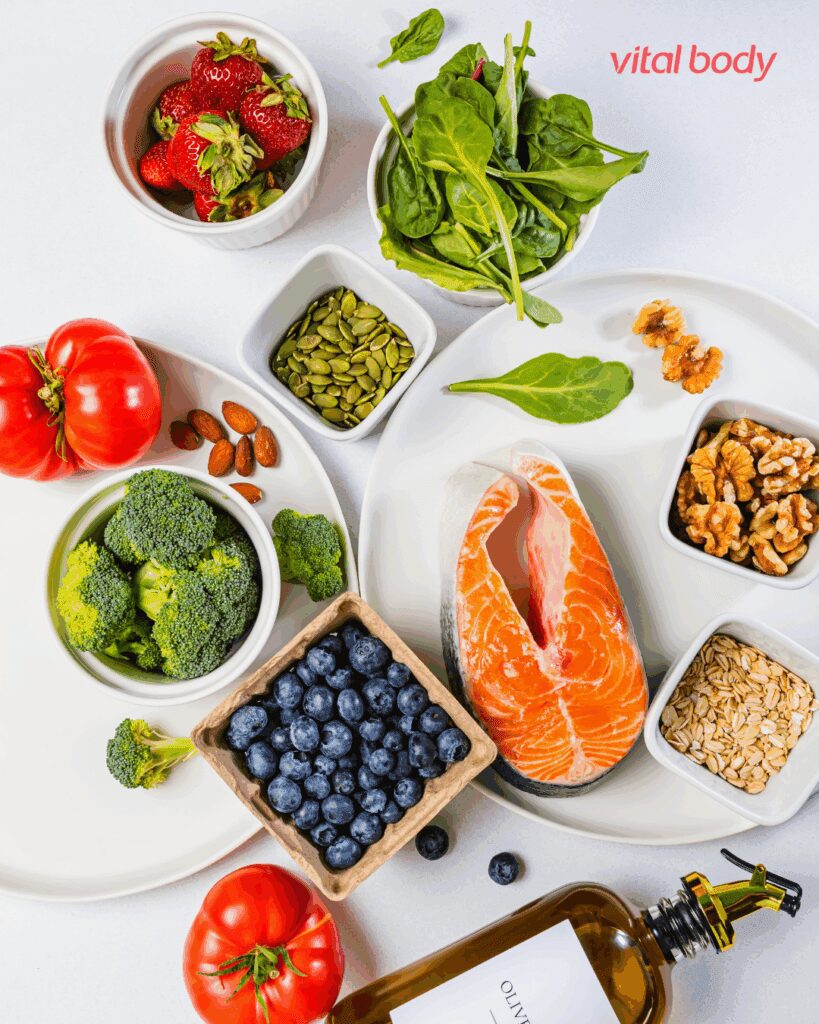
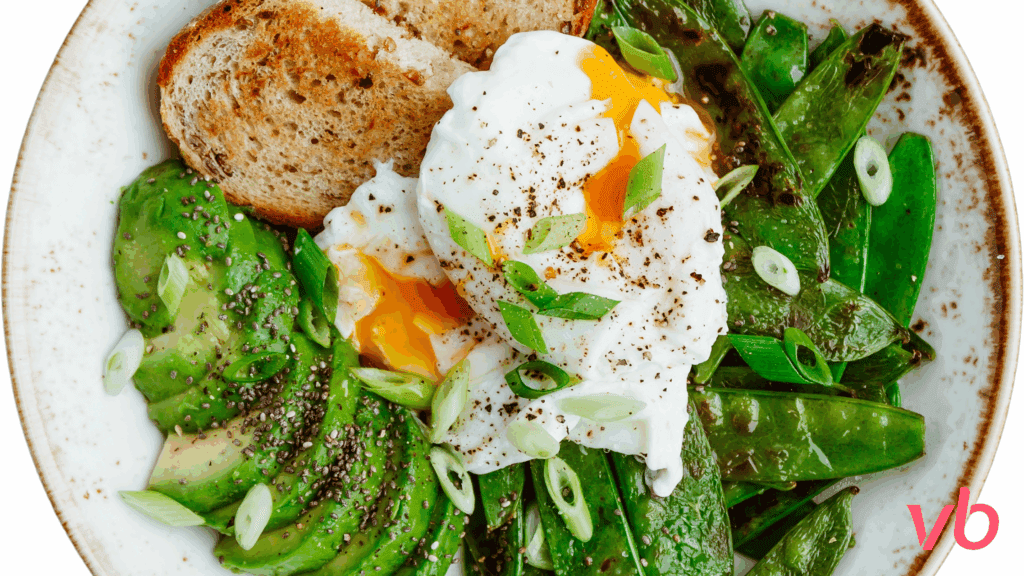
You won’t stick with meals you dread. Roast your vegetables instead of steaming them. Use flavour: garlic, chilli flakes, herbs, lemon, salsa. Eat more of the healthy foods you already like, and focus on what you can have rather than what you can’t. Our recipes are a good place to start.
You will miss days. Everyone does. What matters is what happens next.
Get curious instead of harsh. What got in the way? What would make it easier next time? Then pick up again with your next meal, not next Monday.
Give a new habit a few weeks before you judge it. Treat it like an experiment and see what you learn.
Some habits you can only figure out by trying them. Not every good idea fits your life, and finding that out is useful information, not failure.
Here’s my own example. After about ten years of being mostly sedentary, I decided I would get up at 6:30 every morning to exercise. It didn’t work. Not even close.
But trying it changed how I saw things. I stopped asking what I should be doing and started asking what I would actually do. It started with a few minutes of movement here and there. About 18 months later, I realized I genuinely wanted to exercise again. What made the difference wasn’t pushing harder. It was being kind to myself instead of harsh.
That’s what I mean by flow, not force. The habits that last are usually the ones you grow into.
Most of us can do all of this on our own for a while. What’s harder is keeping it going when life gets busy, when the scale stalls, or when one rough weekend turns into three.
That’s where a coach helps. Not because we know a secret, but because:
Over time, the structure becomes yours: the planning, the routines, the way you talk to yourself after a hard day. That’s when it stops feeling like effort and starts to feel like flow. It’s just how you live.
That’s what weekly coaching at Vital Body is for. If you’d like support building habits that fit your life, book a free consult. You might also like Self-Care and Weight Loss: Making Yourself a Priority.
It varies a lot by person and by habit. Simple ones can feel automatic within a few weeks, harder ones take a few months. Consistency matters more than the number of days.
One you can do almost every day and actually believe you’ll keep. For many people that’s planning tomorrow’s meals or packing lunch.
Usually because the old habit met a real need, like rest, comfort or convenience, and nothing replaced it. Look at what the old habit gave you and find another way to meet that need.
No, but support helps. Most people know what to do. A coach helps you keep doing it when life gets busy, and helps you adjust when something isn’t working.
Get the results you’ve always wanted, and feel like yourself again.