Full life, busy schedule? How to make time for healthy weight loss with regular meals, a little planning, and support that fits the life you have.







Let’s Get Started
Get the results you’ve always wanted, and feel like yourself again.

Full life, busy schedule? How to make time for healthy weight loss with regular meals, a little planning, and support that fits the life you have.
A full life is a good thing. Work you care about, kids or grandkids, a parent who needs you, friends, a home to run, a community you show up for. But when every hour already belongs to someone or something, adding “lose weight” to the list can feel impossible. Where would the time even come from?
Here’s what we’ve learned from years of coaching people with full lives: healthy weight loss doesn’t need hours you don’t have. It needs a little room, made gently and on purpose, and a way of going about it that fits your life instead of fighting it.
So many programs promise a whole new you in six weeks. New meals, new workouts, new everything, all at once, on a timeline that doesn’t care what else is happening in your life. It’s no wonder so many of us feel we should be completely different by a certain date, and feel like we’ve failed when we’re not.
We see it differently. Change that lasts tends to come with flow, not force. You start where you are, with the time and energy you actually have, and you let things build. Some weeks move quickly. Some weeks life takes over and you simply keep the basics going. Both are part of it.
Most of us are very good at making time for everyone else. The appointment for the kids, the report for work, the drive to help a friend move. Our own needs get whatever is left over, and on a full day, there isn’t much left.
Making time for yourself doesn’t have to mean finding a free afternoon. It can be twenty minutes on Sunday to think about the week’s meals, ten minutes in the evening to pack tomorrow’s lunch, or a weekly check-in with your coach that you treat as kindly as any other appointment. Those small pockets of time quietly tell you something important: you count too.
Set yourself up to win. If you’ve been running on coffee and skipped lunches, you can’t suddenly cook three meals a day and walk for an hour, and you don’t need to. Trying to change everything at once is how most plans fall apart in the second week.
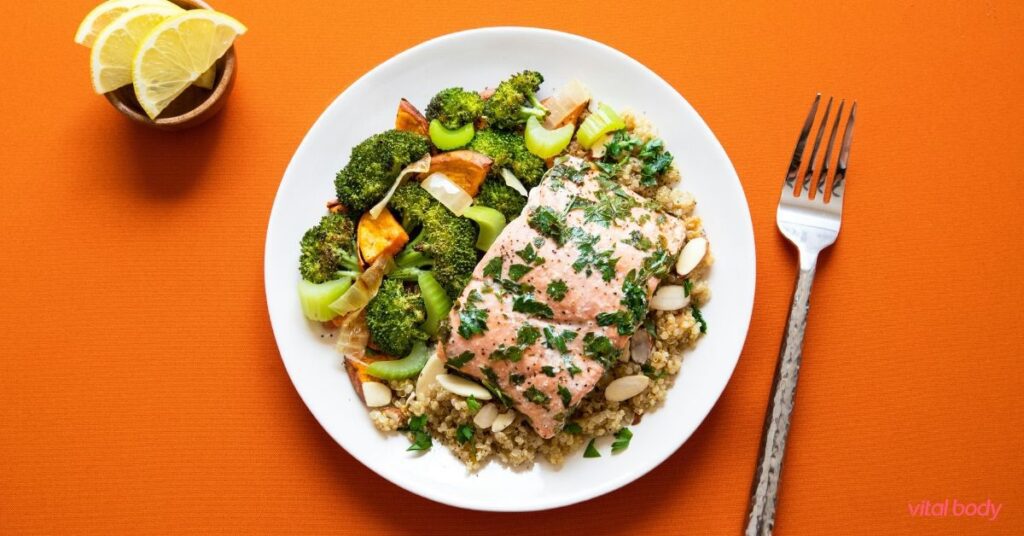
Let it evolve. Maybe this week it’s having breakfast every day. Next month it’s a packed lunch a few days a week and a short walk after dinner. Along the way you find a few easy ways to batch cook, like a tray of roasted chicken and vegetables on Sunday or a pot of soup that covers a couple of lunches, and the week starts to feel lighter.
Consistency matters more than intensity. Small changes you can keep beat big changes you can’t. It isn’t as glamorous as a quick fix, but it’s what lasts, and over time those small gains add up to big ones.
For many people, a full schedule is part of how the weight came on in the first place. Breakfast gets skipped. Lunch is whatever’s in the desk drawer at 2 pm. Coffee fills the gaps. By the time you get home you’re starving and too tired to cook, and take-out wins.
That isn’t a lack of willpower. It’s what happens when a day has no room for food. So the first step isn’t doing more. It’s making a little room.
When you’re rushed, skipping a meal can feel like saving time. More often it catches up with you later, as cravings or as eating whatever is closest.
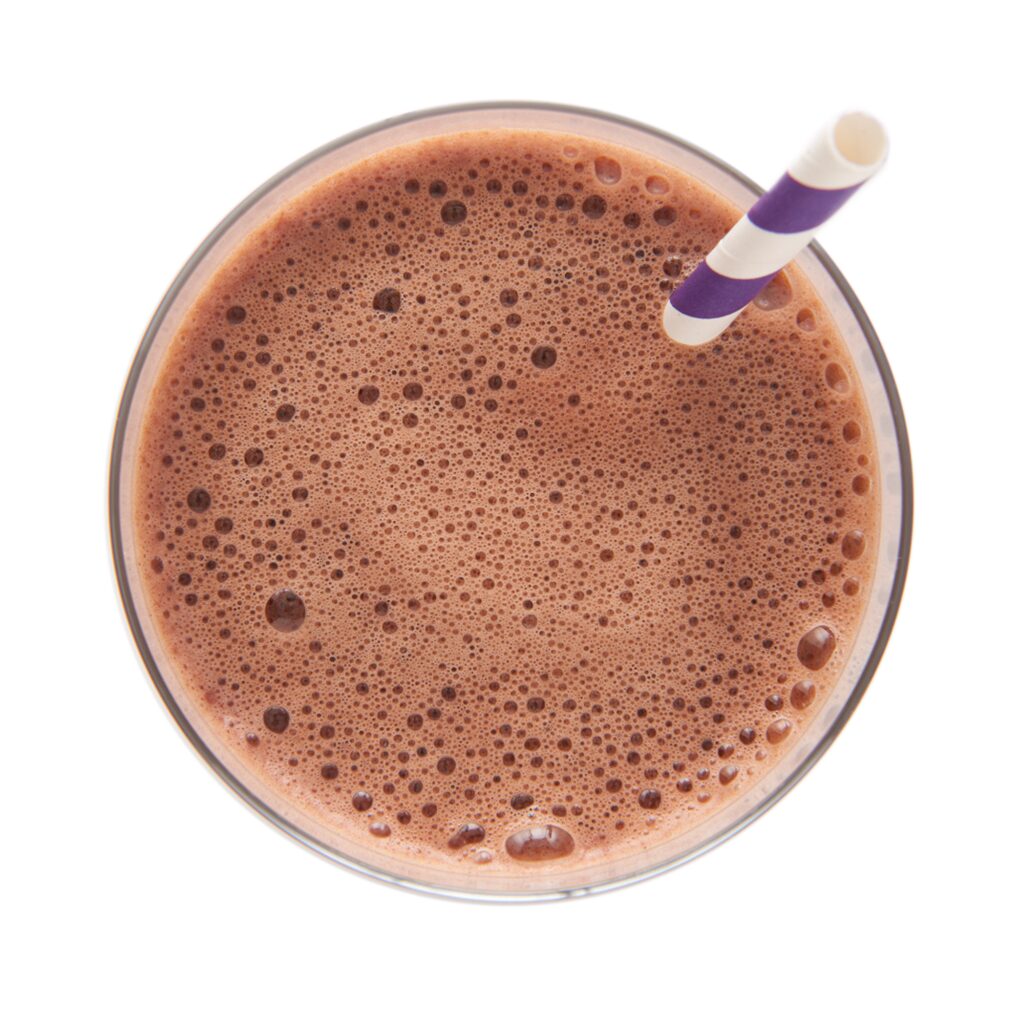
On days you know will be packed, it helps to bring something with you: an Ideal Protein bar or drink, some cut-up vegetables, a hard-boiled egg. Having food ready is one of the kindest, simplest things you can do for yourself on a busy day.
Planning doesn’t need to be a big project. A few minutes here and there can make the rest of the week easier.
Shortcuts count. Pre-chopped vegetables, bagged salads and frozen vegetables are all good choices. The plain ones, without sauces, are best.
When you’re tired and hungry, what you see is usually what you eat. A few small changes in your kitchen can quietly do some of the work for you.
We often think healthy habits come from motivation. More often, they come from how our days are set up.
Let the people you live with know what you’re working on. You don’t need them to eat the way you do, just to support you. Many families find they enjoy simpler meals too, and sharing the planning and prep makes it lighter for everyone.
You don’t need an hour at the gym. Take the stairs, park a little farther away, walk the dog, stretch between calls, or put on music and dance in the kitchen. Small bits of movement add up, and they can lift your mood on a stressful day.
When the to-do list is long, it’s tempting to stay up later to get more done. But short nights leave you tired, and tired makes everything feel harder the next day, including food.
A clear structure takes a lot of the guesswork out of busy weeks. On our program, Phase 1 gives you that structure, and many of your meals and snacks are ready to go. Your coach helps you fit it into the life you actually have, not the one you’d have if you had more free time, and helps you adjust when life gets fuller.
Start small and put it on the calendar: a few minutes to plan meals each week, time to pack food for the day, and a regular check-in with a coach. You don’t need hours, just a little room made on purpose.
Yes. Simple meals work: a protein and a couple of vegetables, leftovers, or something from the freezer. On our program, many meals and snacks are ready to eat, which helps a lot on busy days.
Start with two dinners a week and make double. Keep a list of meals you like, a running grocery list, and cook extra whenever you can.
Something with protein that travels well: an Ideal Protein bar or drink, a hard-boiled egg, or cut-up vegetables.
Yes. Repeating meals you enjoy is one of the easiest ways to keep things simple. Try something new now and then to keep it interesting.
If your life has been full and you’d like some help making room for yourself, book a free consult. If you’ve worked with us before, book a free reconnect appointment. You might also like Why You’re Not Losing Weight: 7 Common Reasons.
Zan & Em
Get the results you’ve always wanted, and feel like yourself again.